Aerobic biological
Used where biodegradable organics can be treated with aeration and a stable biomass.
In Chennai, TN but serving whole of India.
💧 Clean water is a human right!

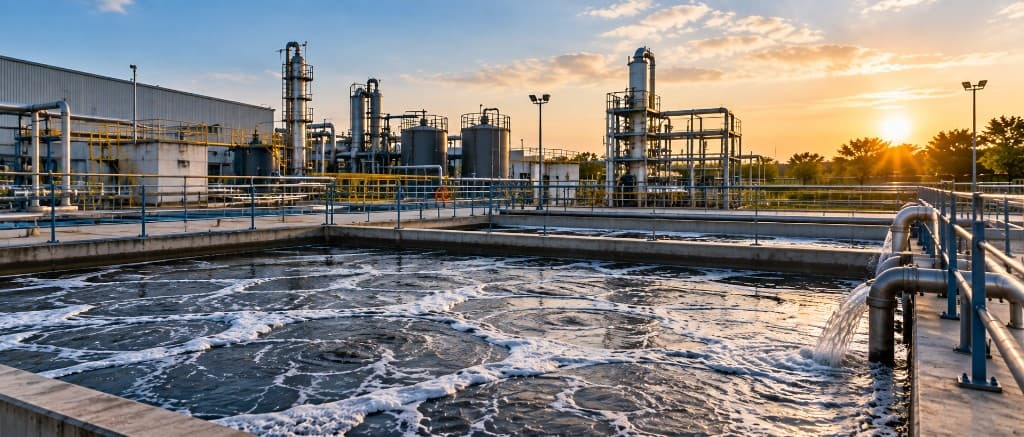
Effluent Treatment Plants
Industrial wastewater changes with raw materials, processes, production schedules and cleaning practices. Hitech Fluid Systems engineers ETPs around the actual effluent and the required outcome.
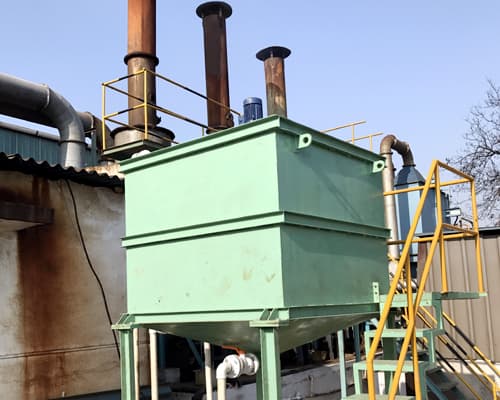
Site-specific effluent
Industrial wastewater contains chemicals and toxins in varying forms and must be treated before discharge or reuse. Hitech Fluid Systems specialises in effluent treatment — different processes for different streams. The train may combine mechanical, biological and physio-chemical steps.
For biological treatment we may use conventional processes or high-performance reactors, including anaerobic UASB where it fits. Activated sludge, lamella clarification and membrane processes can be considered for reuse or tighter discharge. The design is based on analysis, not a generic industry label.
Process options
Used where biodegradable organics can be treated with aeration and a stable biomass.
Considered for higher-strength streams, including space-saving high-performance reactors such as UASB where suitable.
Coagulation, flocculation, clarification and related stages for suspended solids, colour, oil or other constituents that biology alone will not remove.
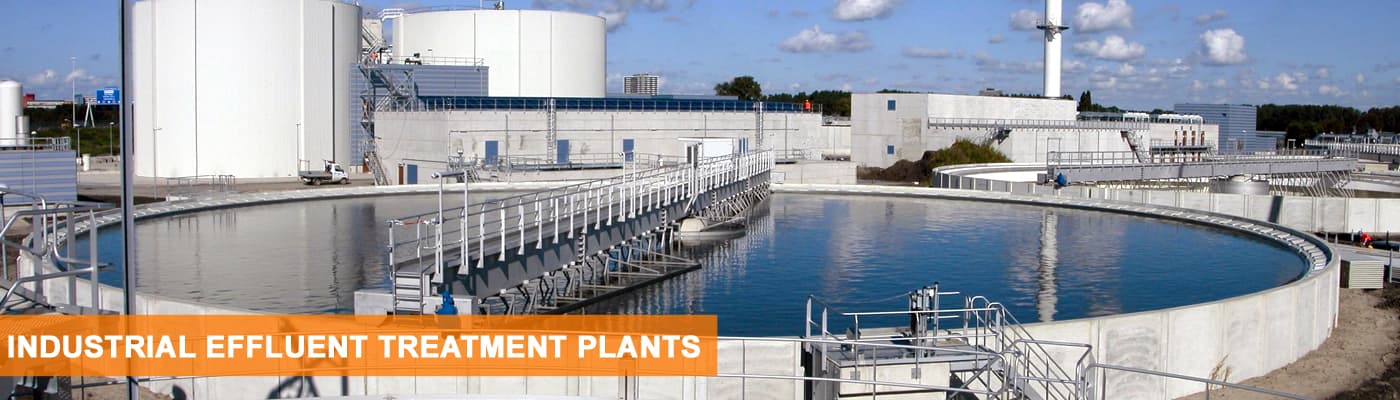
Project experience includes an ETP solution for The Sanmar Group. Fuller case notes are published as capacity, process and outcomes are confirmed.
View related projects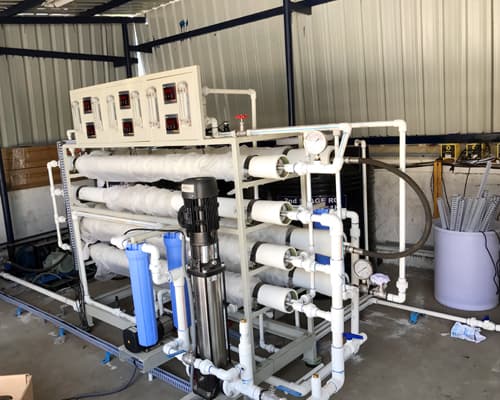
A plant may struggle because the effluent changed, loading increased, equipment aged or the process is not being operated as intended. Hitech Fluid Systems can investigate ETPs installed by other companies before recommending replacement or an upgrade.
An ETP treats industrial process effluent, while an STP generally treats domestic sewage. Their designs follow the characteristics of the wastewater and the intended outcome.
Potentially, after a suitable process is designed and the resulting water is shown to meet the intended reuse requirement.
Often it can be assessed for process, capacity or equipment improvements. The technically appropriate route depends on the existing plant.
Share effluent streams, flow, analysis and the outcome you need.